Solar panel installation for homes, communities and businesses in Marbella

From the first measurement on the roof to the first credit on your bill, done by one company for a price agreed at the start.

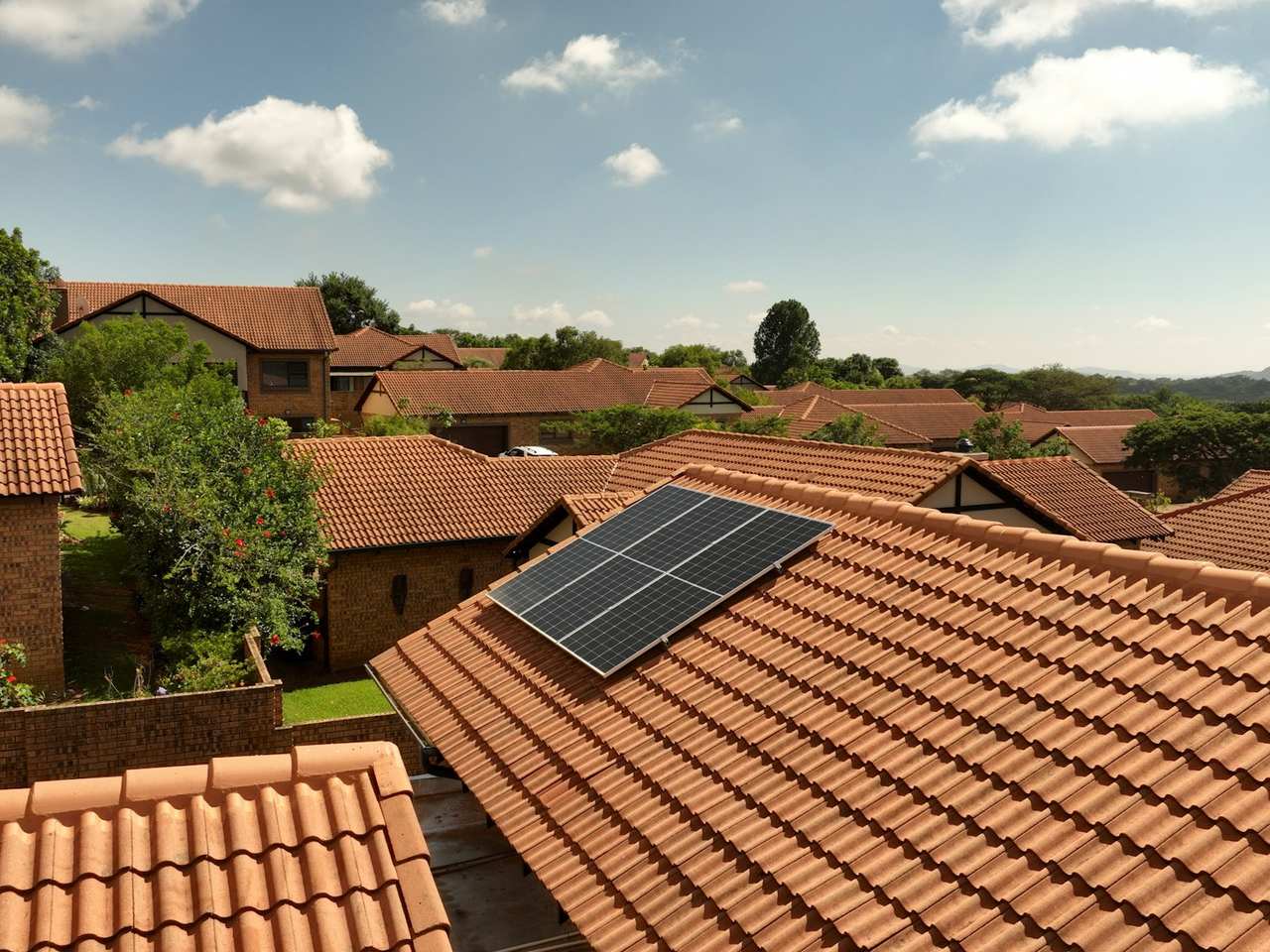
Terracotta tiled rooftops with a solar array on the nearest roof

What the price includes

A solar quote is easy to make look cheap by leaving things out. Ours is for a working, registered system, and lists the equipment by make and model so you can compare it line by line with any other.

Panels
Monocrystalline, 435 to 500 W each, from manufacturers that guarantee the product for 25 years.
Inverter
Sized to the array and to your supply, single or three phase. Battery-ready if you may want one later.
Mounting
Aluminium rails and stainless fixings anchored to the structure, sealed where they pass the tiles.
Electrics
Solar cable in conduit, isolators, surge protection and a dedicated breaker in your consumer unit.
Monitoring
A meter and app showing production, consumption and export, set up on your phone at handover.
Paperwork
Town hall declaration, tax rebate request, electrical certificate, registration and surplus compensation.
Handover
Warranties, certificates and drawings in one folder, and a walk through the system before we leave.
Three kinds of roof, three ways of fixing

Almost every building on this coast has one of these, and many villas have two.

Clay tile

The pitched terracotta roof of most villas and townhouses. Panels sit on rails a hand’s width above the tiles, parallel to the slope, anchored to the structure beneath. The air gap keeps them cooler and the roof dry. Tiles are lifted and replaced, not cut around.

Flat roof

The azotea of a modern villa or an apartment block. Panels go on low frames tilted 10 to 15 degrees, set back from the parapet so they cannot be seen from the street. Where the waterproofing is sound we hold the frames down with ballast and do not drill it at all.

Metal sheet

Carports, pergolas, warehouses and many commercial units. Rails clamp or screw to the ribs of the sheet with sealed fixings. It is the fastest roof to work on, and a carport or pergola can add useful area when the main roof is small.

How a project runs

  1. Survey

    We measure the roof and its pitch, photograph it, check the meter, the consumer unit and the route between them, and note anything that casts shade. Bring a recent bill; with your permission we download a year of hourly readings from the grid operator.

    About an hour, free

  2. Design and quote

    You receive the panel layout drawn on your roof, the equipment by make and model, the output we expect each month, what that should save, and one price with IVA. Nothing is added later unless you change the job.

    Within a few days

  3. Permits

    We file the declaración responsable at the town hall and request the construction tax rebate. In a community of owners we prepare what the meeting needs to vote.

    Work can start once it is filed

  4. Installation

    Fixings and rails first, then panels, then the inverter and protections next to your consumer unit. We test every string, commission the system and set up the app on your phone.

    One to two days for most homes

  5. Legalisation

    We issue the electrical certificate, register the system with the Junta de Andalucía, notify the grid operator and ask your supplier to start crediting your surplus.

    Surplus credit usually starts in one to three months

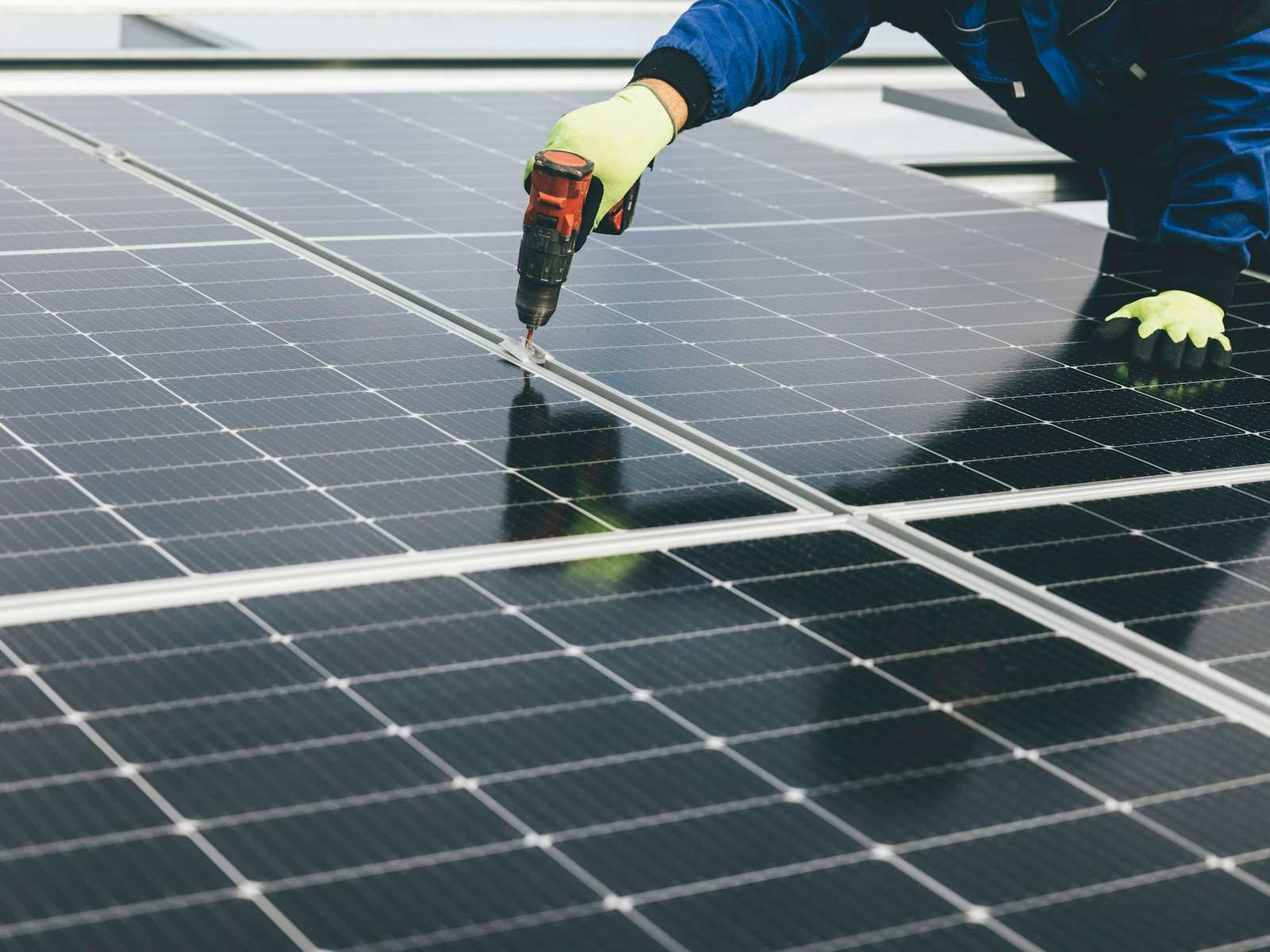
Gloved hands fixing a solar panel clamp with a cordless drill

What makes a roof good for solar

Five things, in roughly this order. We check all of them at the survey.

  • Direction. A south-facing roof pitched at 20° gives about 1,675 kWh a year per kWp in Marbella. East gives 86% of that and west 87%; a nearly flat array gives 96%.
  • Shade. Chimneys, neighbouring buildings, palms and pines. A little morning shade costs little; shade across midday can rule a roof face out.
  • Space. Each panel covers about 2 m². Eleven panels, a common size for a villa, need some 22 m² clear of skylights and edges.
  • Condition. Panels will be there for 25 years or more. Loose tiles or tired waterproofing are cheaper to fix before than after.
  • The cable route. The run from roof to consumer unit is a real part of the cost in a large house. A short, hidden route is worth finding.

Who we install for

Homes

Villas and townhouses, lived in all year or part of it. Most systems are between 3 and 10 kWp. For a house that is empty for months we design around what runs anyway, and around your supplier’s terms for surplus.

Communities of owners

A shared array on the roof can run the lifts, the garage lighting and the pool pumps, or be divided among the owners who join, each with a fixed share. A third of the owners is enough to approve it. We prepare the study for the meeting and attend if it helps.

Businesses

Restaurants, hotels, shops, offices and warehouses use most of their electricity while the sun is up, so nearly everything the roof makes is used on the spot. Systems above 10 kW need an engineering project, which we provide.

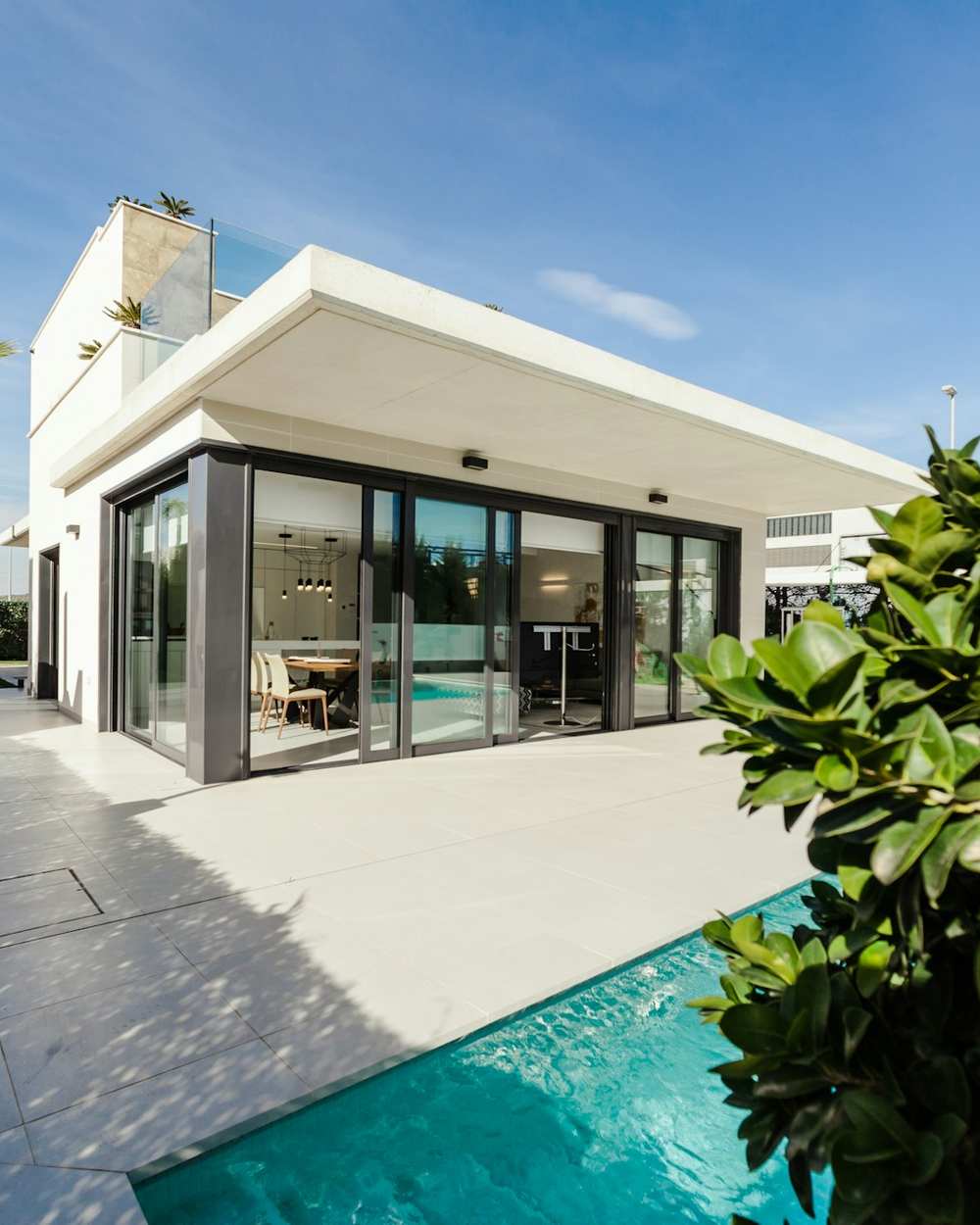
A modern white villa with a flat roof beside a swimming pool

Questions about installation

All questions and answers

How long does it all take?

On the roof, one to two days for most homes and up to a week for a large villa with batteries. From accepting the quote to switching on is usually three to six weeks, most of it waiting for materials and a slot in the calendar rather than for permits.

The system works from the day we commission it. Surplus compensation follows once registration has gone through.

How many panels do I need?

Each kWp of panels (a little over two modern panels) produces around 1,600 to 1,700 kWh a year in Marbella. A home using 5,000 kWh a year therefore needs about 3 kWp, or seven panels, to match its consumption on paper; one using 15,000 kWh needs about 9 kWp, or twenty.

In practice we size to what you use in daylight, which the hourly data from your smart meter shows. The calculator gives a first idea from your bill.

Does my roof need to face south?

South is best, but less essential here than you might expect. PVGIS data for Marbella gives a south-facing roof about 1,675 kWh a year per kWp; east and west faces give about 1,440 to 1,455, some 86% of that. An east and west split also spreads production across the day, which suits homes that use power morning and evening.

Flat roofs are easy: panels go on low frames, held by ballast where we want to avoid drilling the waterproofing. North faces and heavily shaded roofs are the ones we advise against.

Will fitting panels damage my tiled roof?

It should not, and a careful installer makes sure of it. We fix to the structure underneath, never to the tile itself: each anchor is sealed and the tile goes back over it, so the tiles remain the weatherproof layer. Any tile that cracks is replaced with a matching one; we bring spares.

Before quoting we look at the state of the roof. If it needs repair we say so, because panels will sit on it for decades.

Do I need planning permission?

Not a building licence. In Andalucía, solar panels on an existing building on urban land are handled with a declaración responsable, a signed declaration filed with the town hall, and work can start once it is filed. We prepare and file it.

The exceptions are protected buildings and their surroundings, which need approval from the heritage authority first. In Marbella’s old town we check with the planning office before designing anything.

I live in an apartment block. Can I have solar panels?

Yes, more easily than most people think. Under article 17.1 of the Horizontal Property Act, a renewable energy system, whether shared or for one owner’s private use on the communal roof, can be approved by one third of the owners representing one third of the participation quotas. Owners who do not vote for a shared system do not pay for it, and can join later by paying their share.

We can attend the owners’ meeting with a design and the figures, which tends to make the vote straightforward.

Find out what your roof can do

Tell us where the property is and roughly what you pay for electricity. We reply within one working day and arrange a free survey.

Get a free quote